Showing posts with label Former Yugoslavia. Show all posts

Thursday, May 1, 2014

#682 Kravice Waterfalls, Bosnia and Herzegovina

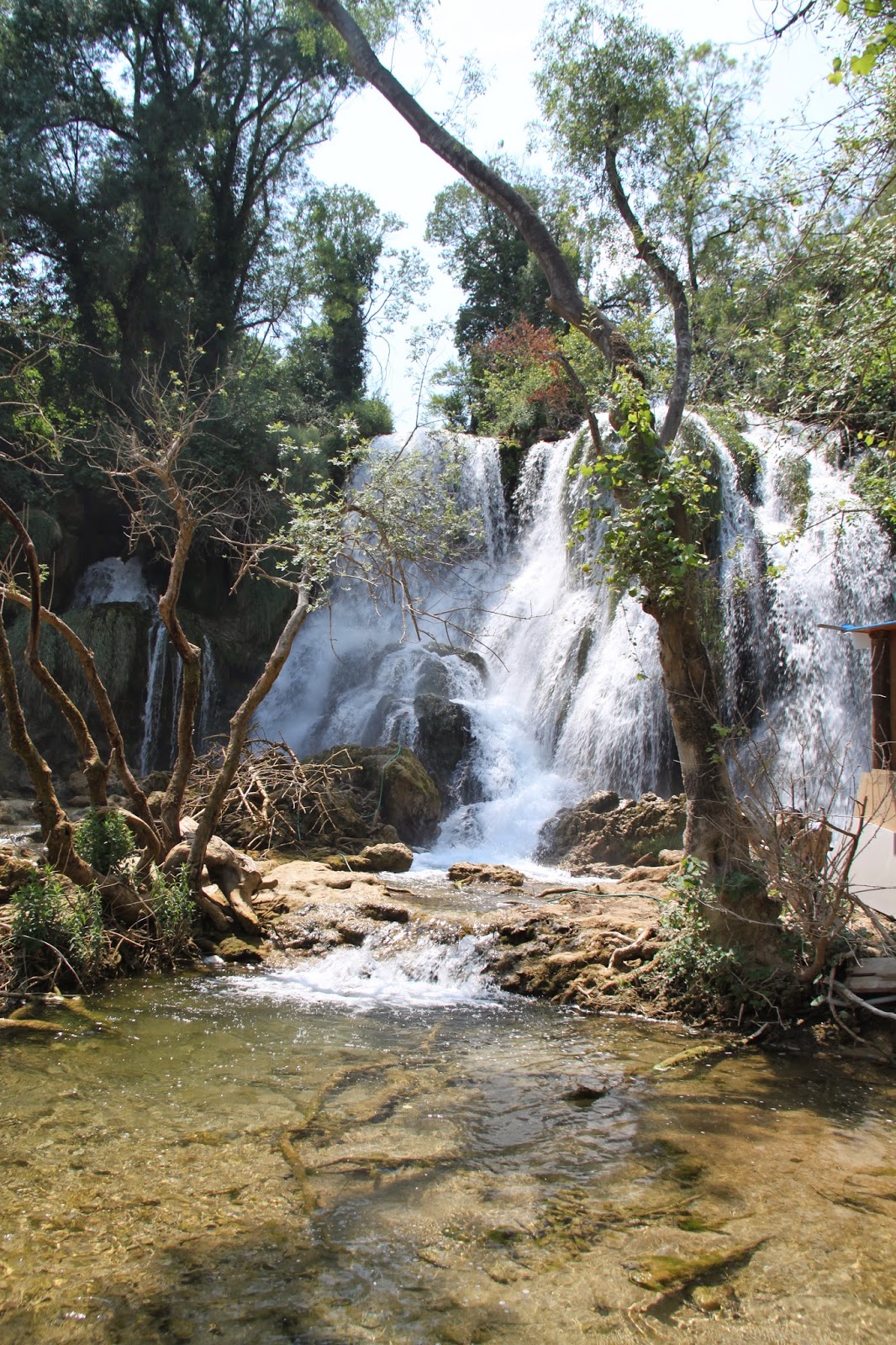
Forty kilometers from Mostar on the Trebizat River are these pretty falls, around 25m high and 120m wide. The tuff (limestone) deposits of the area form a natural barrier from which the water falls from. The town of Ljubuski is 10km away and displays one of the oldest documents found in Bosnia.

A popular picnicing and camping area, the swimming offers a blissful cool-off from the hot summer. A small cave, an old mill and a sailing ship are other attractions. Look out for the chaste tree (Vitex-agnus castus), figs and poplars.

File:Waterfalls Kravica 5, Bosnia and Herzegovina.jpg
http://en.wikipedia.org/wiki/File:Waterfalls_Kravica_5,_Bosnia_and_Herzegovina.jpg
Source: http://en.wikipedia.org/wiki/Kravice 
http://www.turizam.mostar.ba/index.php?option=com_content&view=article&id=122:vodopad-kravice-i-rijeka-trebiat&catid=42:priroda-i-avantura&Itemid=422&lang=en
http://www.balkansgeotourism.travel/content/gorgeous-and-relaxing-kravice-waterfall-bosnia-and-herzegovina/seeDF33FFE7705EB0207
http://www.bhtourism.ba/eng/whattoseeanddo.wbsp?wbf_mjesto=;23

Saturday, March 22, 2014

#698 Budva, Montenegro


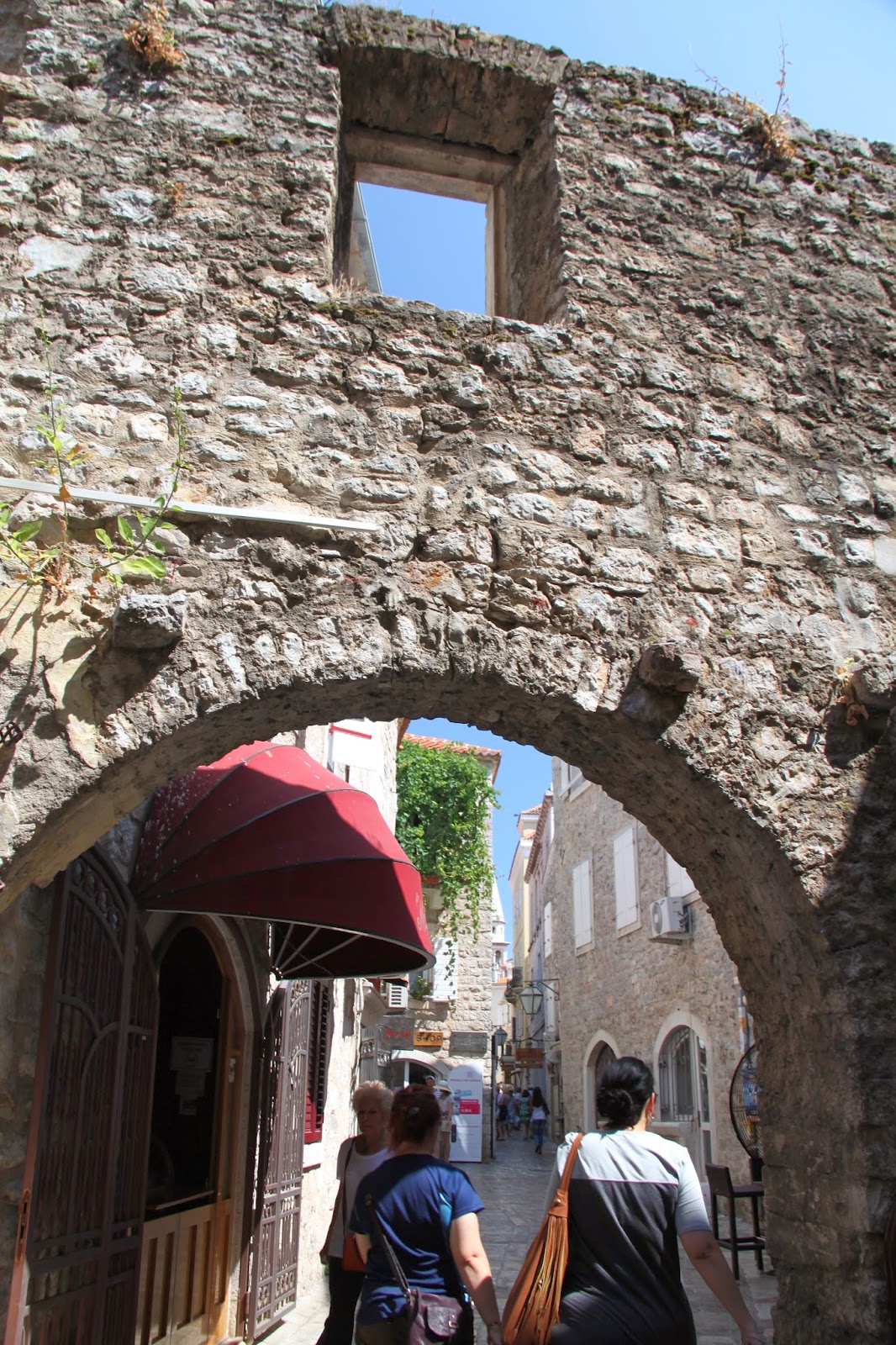
Dubrovnik and the French Riviera may have the fame, but Budva has some history! The hub of the Montenegrin holiday coast where the rich and famous used to holiday, like Elizabeth Taylor and Richard Burton (although so many cities claim this), Budva is a glamorous Adriatic destination. The breakup of Yugoslavia may have kept people away from it and highlighted alternative destinations, but Montenegro's recent peaceful split from Serbia may allow it to come to the forefront again. The drive in down the windy mountain road is reminiscent of a James Bond film and the historical city (Stari Grad) sits out on a spectacular peninsula location (once said to have been an island). Although perhaps not as sparkling as it once was (Montenegro's economy struggles to keep up with it's rich neighbor, Croatia), it is still beautiful.
Stunning beaches are backed up by large hotels, charming cafes and shops line most roads, and it hosts a national music festival and a summer festival in July and August. This is a tourist hub! The old city was leveled by two earthquakes in 1979, it was completely rebuilt. 
3500 years old, it is the one of the oldest settlements on the Adriatic coast. Founded by the hero Cadmus the Phoenician who settled here with his wife Harmonia after being exiled from Thebes. It was later settled by the Greeks and the Romans who named the area Butua. It was a boundary area between the eastern and western Roman empires and was later ruled by Doclean kings, Serbian and Zetan aristocrats, Venetians for 400 years from 1420 to 1797, only to be attacked by the Ottomans and then passed around from Austria to France to Russia. From 1918 it was in the Kingdom of Yugoslavia, but then, in World War II it was Italian. The style of the old city, not surprisingly is quite Venetian, though the whole area is typically 'Mediterranean'. It is a very popular summer destination!

 
Source: Lonely Planet Eastern Europe 8th Edition 2005

Sunday, February 23, 2014

#709 Mostar, Bosnia and Herzegovina

Mostar is a famous 16th-Century Balkan town that spans the picturesque Neretva River in central Bosnia and Herzegovina (it is actually in the Herzegovina region). Beautiful in its own right, it has become legendary for its restoration and rebuilding campaign after its ancient bridge was destroyed in the war (Croats shelled it in 1993) and then rebuilt in 2004. Many are pleased that such a symbol of reconstruction and reunification can be made (the different sides of the river were traditionally occupied by different groups) while others believe the money (much of it from international donations) could have been better spent on alternative projects. 
Mostar means 'keeper of the bridge', and the eastern side was traditionally Muslim and the western side was traditionally Croat (and catholic). During the Ottoman and Austro-Hungarian periods many beautiful buildings were constructed, although many were damaged during the shelling, and these can still be seen on the former front line. The cobbled streets have been returned to their quaint, picturesque glory, and artisans and crafts line the sidewalks, with traditional Bosnian coffee, baklava and ice cream for sale. Stari Most, the old bridge, originally built in 1556 (the stone bridge replaced a prior wooden bridge) was the only crossing point of the river in this part of the valley. Many brave men stand on the bridge as is tradition, and promise to jump off to win the heart of ladies. The bridge is flanked on either side by the two towers Tara (semi-circular, on the western bank) and Helebija (with dungeons and a guard house above on the eastern bank), with Hercegusa, a third tower, behind Tara.
The cobbled old town, Kujundziluk (named for copper smithing), stretches on both sides of the river from the bridge, with several mosques and old houses and shops along the paths. The buildings cling to the steep cliffs above the river, and the green water passes swiftly, albeit calmly, below. Further up the eastern saide, the oldest single arch stone bridge still surviving, the Kriva Cuprija ('Sloping Bridge') was built in 1558 and said to be a test before the construction on Stari Most began.
The city has been occupied since prehistory, and evidence exists of Roman settlement under the city. It came into importance with its bridge in the middle ages, first Christian, then after being conquered by the Ottomans in 1468, Islamic. They fortified the town in the early 1500s and build the stone bridge, which at 28m long and 20m high, with a perfect semicircle arch 8.56m in width, became a wonder in its own time. It was also during Ottoman time that the first church was built, a Serbian Orthodox Church in 1834. Bosnia became Austro-Hungarian after 1878 until 1918, during which time it became the seat of a Roman Catholic Diocese and significant urban restructuring occurred with wide avenues and a European style city-center on the western bank. Suffering an 18 month seige after Bosnia and Herzegovina declared independence from Yugoslavia in 1992 with destruction of churches, monasteries, mosques and other buildings, many of which remain in ruins. 
Source: Lonely Planet Eastern Europe 8th Edition 2005
http://en.wikipedia.org/wiki/Mostar